Category: Health

  • Brain Body Diet by Sara Gottfried: Summary, Key Ideas & Review

    Book in one sentence: If you’ve tried everything and your body won’t budge, Gottfried argues the problem isn’t your willpower. It’s your brain.


    What Is Brain Body Diet About?

    You’ve tracked every calorie. You’ve done the workouts. You’ve tried intermittent fasting, cut carbs, cut sugar, cut basically everything. And the scale still doesn’t cooperate. The standard explanation at that point is uncomfortable: you must be doing something wrong. You must lack consistency. You must, somewhere, lack discipline.

    Sara Gottfried, a Harvard-trained physician and three-time New York Times bestselling author, has a different explanation. The problem is your brain (specifically a brain that’s inflamed, hormonally depleted, and fed by a gut that’s been under siege for years). Her 2019 book Brain Body Diet builds on her earlier hormone work (The Hormone Cure, The Hormone Reset Diet) and extends it into neuroscience. The central claim: your brain and body aren’t a hierarchy where the brain commands and the body obeys. The signal runs both ways. A body in chronic dysfunction (gut dysbiosis, toxic overload, hormonal chaos) doesn’t just receive bad signals from the brain. It actively degrades the brain itself.

    Gottfried came to this not from a textbook but from a fall. In 2015 she fainted, hit her head, and spent a year recovering from a traumatic brain injury. Lying in a dark room, unable to work, she experienced firsthand what she’d been missing in clinical practice: how profoundly body state governs brain function, and how much her “smart woman” approach of just pushing harder had been working against her. That story runs through the book and gives it something a purely theoretical treatment wouldn’t have.


    Why Can’t I Lose Weight? The Brain’s Role in Weight Resistance

    The most immediately useful reframe in the book is also the most counter-cultural one. Weight is regulated by a brain-controlled thermostat (your body weight set point), not by the simple math of calories in versus calories out. When that thermostat is set too high, the brain actively defends it: reducing metabolic rate, amplifying hunger, making the whole effort feel like swimming upstream. This is why calorie restriction works and then stops. Your brain is not failing. It is succeeding at protecting a target.

    What miscalibrates the thermostat in the first place? The four main culprits Gottfried identifies:

    • Gut dysbiosis: bacterial imbalance that drives insulin resistance independent of what you eat. (She cites research showing roughly 89% of people with obesity also have small intestinal bacterial overgrowth.)
    • Chronic stress: sustained cortisol elevation that locks the thermostat in a fat-storing state
    • Hormonal disruption: estrogen decline, which governs not just reproduction but metabolism, appetite signaling, and blood sugar regulation
    • Toxic accumulation: endocrine-disrupting chemicals that interfere with thyroid function and insulin signaling

    Her protocol targets these levers rather than calories. Intermittent fasting (starting at 12 to 14 hours, extending to 16 to 18 in the advanced version) resets leptin, adiponectin, and the microbiome. Prebiotic fiber feeds the bacterial strains that govern insulin sensitivity. Removing ultra-processed carbohydrates eliminates repeated insulin spikes. For women in perimenopause, estrogen management is treated as non-optional rather than a last resort.

    One practical note worth flagging: fat-stored toxins are released into circulation when fat is burned. Detox support during weight loss isn’t a wellness add-on in Gottfried’s view; it’s required for the process to work cleanly.


    How Does the Gut-Brain Connection Affect Mood and Cravings?

    The gut produces approximately 400 times more serotonin than the brain. It also manufactures melatonin, GABA precursors, and estrogen metabolites. Most people think of the gut as a digestion organ and the brain as the mood organ. Gottfried treats them as one integrated system, and the evidence she marshals for that position is harder to dismiss than wellness culture has made it seem.

    The cascade she describes goes: dysbiosis creates intestinal permeability (leaky gut). Inflammatory signals from the leaky gut enter systemic circulation. They weaken the blood-brain barrier (which degrades in parallel with the gut barrier). Once inside the brain, these signals activate microglia, the brain’s immune cells. Chronically activated microglia impair synaptic function, suppress neurogenesis, and reduce BDNF, the growth factor that governs neuron survival. The inflamed brain then dysregulates its signals back to the body, producing more gut dysfunction and metabolic disruption. The loop feeds itself.

    The most striking evidence she cites: fecal transplant studies in mice. Anxious gut flora transplanted into calm animals produces anxious behavior. The reversal works too. A meaningful fraction of what we call anxiety and depression may originate in the gut, not the brain. Which means treating anxiety without addressing gut health is like treating a smoke alarm without looking for the fire.

    “Your gut harbors an inner world of microbial intelligence. That intelligence informs your emotional state, your mood, your anxiety.” Sara Gottfried, Brain Body Diet

    For cravings specifically, she makes an argument that many people find almost too simple to accept: cravings aren’t a character flaw. They’re neurological signals (frequently from a gut microbiome in dysbiosis, a dopamine system under reward deficiency, or a brain running on inflammatory fuel). They’re information. And information responds to treatment in ways that willpower never can.


    What Is the 40-Day Brain Body Protocol?

    The 40-day structure organizes seven domains of dysfunction that Gottfried calls the “broken seven”: toxic overload, disrupted weight set point, brain fog, addiction and cravings, anxiety, depression, and memory loss. The argument is that these aren’t separate problems requiring separate specialists. They share root causes, and they respond to the same upstream interventions.

    The protocol runs in layers:

    1. Detox (runs the full 40 days as a foundation). The liver’s two-phase detoxification process is supported through food: 11 servings of vegetables daily, with bitter greens at every meal (arugula, dandelion, endive), allium vegetables for glutathione production (garlic, onion, leeks), and cruciferous vegetables for phase 2 support (broccoli, Brussels sprouts, kale). Two specific removals get called out as high-leverage: diet soda (documented associations with gut dysbiosis and dementia risk) and triclosan (found in many toothpastes and hand sanitizers; a thyroid disruptor and neurotoxin).

    2. Set point recalibration. Intermittent fasting begins here. So does gut microbiome repair through prebiotic fiber. White bean extract (Phaseolus vulgaris) before higher-carb meals is mentioned as a practical tool for reducing postprandial glucose spikes.

    3. Brain fog, anxiety, depression, and memory protocols layer in afterward, in order of dependency, each building on the foundation the earlier work establishes.

    The 40-day timeframe reflects real biology: meaningful gut microbiome shifts, measurable neuroplasticity changes, and hormonal recalibration all require roughly that window. Whether 40 days is enough for everyone is a different question (the book’s framing is partly a marketing choice), but the underlying sequencing logic holds up.

    The endgame Gottfried describes isn’t the protocol itself. It’s what she calls self-directed neuroplasticity: the deliberate daily practice of activities that keep the brain building new connections. HIIT four times a week (the single most potent stimulus for BDNF), yoga (shown in published trials to outperform standard medical care for depression), deep slow-wave sleep (which activates the brain’s overnight waste clearance system, the glymphatic system), and intermittent fasting (which raises BDNF specifically during the fasted period). The 40 days is the on-ramp. This is the road.


    Is Brain Body Diet Worth Reading?

    Read this if you’ve been doing everything “right” and still feel like your body is working against you. The gut-brain-hormone framework is genuinely useful for anyone experiencing the cluster of symptoms that mainstream medicine tends to treat as unrelated: stubborn weight, brain fog, anxiety, fatigue, persistent cravings. Women approaching or in perimenopause will find the estrogen-as-neurological-regulator argument especially clarifying. It reframes a lot of experiences that tend to get dismissed.

    Skip it if you want a short, tight argument. The 40-day protocol structure means each chapter re-explains the framework before applying it, which produces useful reinforcement for some readers and redundancy for others. The 11-servings-of-vegetables-per-day target will feel aspirational to the point of discouraging for most people. The supplement recommendations are extensive (and, in aggregate, expensive) without clear prioritization.

    One caveat: the evidence quality varies. Some of the strongest claims (the fecal transplant-to-human anxiety translation, the bioidentical hormone reversal of early cognitive decline) push beyond what the current literature can fully support. Gottfried is a skilled synthesizer, but she occasionally treats emerging research as settled. Read with a little skepticism in hand, especially in the anxiety and depression chapters.

    The book is explicitly female-centric, which is both its greatest strength and its clearest limitation. Men will find the gut-brain axis logic and neuroplasticity practices useful, but the hormonal mechanisms are written for women and don’t translate cleanly across.


    Books Like Brain Body Diet

    BookAuthorBest For
    Women Food and HormonesSara GottfriedGottfried’s later, more direct hormonal weight loss protocol; a natural follow-up
    Brain FoodLisa MosconiNutrition for brain health; rigorous, research-grounded, less protocol-heavy
    The XX BrainLisa MosconiFemale brain health and dementia prevention; the neuroscience companion to Gottfried’s clinical framework
    The Autoimmune CureSara GottfriedFor readers whose symptoms suggest autoimmune involvement alongside the brain-body picture
    The Menopause BrainLisa MosconiBrain imaging data on what estrogen decline actually does to the female brain; harder science, narrower focus
  • The Hormone Fix by Anna Cabeca: Summary, Key Ideas & Review

    Book in one sentence: A triple-board-certified OB-GYN argues that menopause weight gain and hot flashes are driven by three upstream hormones (insulin, cortisol, oxytocin), not estrogen, and teaches a practical keto-plus-vegetables plan you can test at home with $8 urine strips.


    What Is The Hormone Fix About?

    You’ve cleaned up your diet, cut the carbs, added more cardio. The scale hasn’t moved. Meanwhile, the hot flashes, the 3am wake-ups, the fog that sits on top of your brain by 2pm are all still there, maybe worse. If that’s where you are, Anna Cabeca wrote this book for you.

    Cabeca is a triple-board-certified OB-GYN and reproductive endocrinologist with over twenty years of clinical practice. She is also a woman who, in 2006, lost her eighteen-month-old son to drowning, and watched her own body respond to that grief by going into premature ovarian failure, gaining eighty pounds, losing her hair, and being told she would never conceive again. She was forty, medically trained, and could not figure out what was happening to her own body. The protocol in The Hormone Fix is what she developed to recover. She reportedly did, including conceiving the daughter she had been told was impossible.

    That backstory matters because it earns the voice. Cabeca writes as someone who worked out these ideas on her own body first, not just her patients’. The central reframe she offers is this: the hormones driving the worst menopause symptoms are not primarily estrogen and progesterone. They are insulin, cortisol, and oxytocin. Get those three into balance, and the reproductive hormones follow. Ignore them, and no amount of hormone replacement fully compensates.


    What Is the Keto-Green Diet and How Does It Work?

    Standard ketogenic eating works for many women, for a while. Fat loss, clearer thinking, fewer cravings. Then something shifts. Mood destabilizes, inflammation creeps back, weight stalls, and the irritability is hard to explain if you’re “doing everything right.” Cabeca’s clinical observation is that this pattern has a cause: strict keto makes the body acidic over time, and chronic acidity drives inflammation and causes the body to hold onto fat as a protective buffer.

    Her own experience confirmed it. She tested her urine with pH strips while eating strict keto and found herself persistently acidic. “No wonder I felt irritable,” she writes. The fix was simple in concept: add a large volume of alkalinizing vegetables (dark leafy greens, cucumber, zucchini, broccoli, asparagus, celery) to every meal, so the diet hits both fat-burning and alkalinity simultaneously.

    The plate ratio is easy to remember without counting anything:

    • 75% alkalinizing vegetables (by plate surface)
    • A palm-sized amount of protein
    • A golf-ball circle of healthy fat (avocado, olive oil, ghee, nuts)

    Two types of inexpensive urine strips, tested each morning, confirm whether the previous day’s eating actually hit both targets. Ketone strips show whether fat-burning is happening. pH strips show whether the body is alkaline (target: 7.0 or above). Both are available at any pharmacy for a few dollars.

    A word of honesty here: the claim that food directly changes your body’s pH is scientifically shaky. The body regulates blood pH within a very tight range regardless of what you eat. What the strips actually measure is urine pH, which does shift based on what you eat. The practical result of chasing alkaline urine (eating more vegetables alongside keto) is genuinely sound. The mechanism Cabeca offers to explain why it works is less solid than she implies. (That caveat doesn’t make the vegetables a bad idea. It just means the “alkalizing” framing is doing more marketing work than scientific work.)

    What the monitoring system does accomplish, regardless of the mechanism, is real. It personalizes a population-level protocol. Some women hit alkalinity easily but struggle to enter ketosis. Others achieve ketosis quickly but drift acidic from too much protein. The strips tell you which problem is yours. They also prevent the maddening experience of following a program while actually missing both of its targets.


    Why Does Cortisol Make Menopause Worse?

    Chapter 8 is raw in a way most diet books aren’t, and it’s also where the clinical framework gets personal. Cabeca traces the physiology of what happened to her body after her son died: cortisol at crisis levels for months, progesterone suppressed, thyroid impaired, visceral fat accumulating, oxytocin depleted. The chapter makes a clinical argument that many women going through menopause during high-stress life seasons need to hear.

    Chronic stress is not a mood problem. It is a hormonal problem. Cortisol and progesterone compete for the same receptor sites. When cortisol is chronically elevated, progesterone cannot get in. The result: progesterone deficiency symptoms (anxiety, poor sleep, mood swings) even when blood levels look normal on paper. This physiological reality is well-documented and almost never discussed in the average clinical encounter.

    The dietary implications are manageable. The exercise implications are harder to accept. Cabeca argues that intense cardio worsens the hormonal picture for women with chronically elevated cortisol, because vigorous exercise is itself a cortisol stressor. Her prescription runs against most conventional fitness advice: reduce intense exercise, replace it with walking, yoga, and gentle strength work, and treat sleep as a medical intervention rather than a lifestyle preference.

    She adds breathing practices, gratitude journaling, and nature exposure, framed not as soft suggestions but as cortisol management tools. These interventions have real physiological effects (slow breathing activates the parasympathetic nervous system; gratitude practices measurably reduce cortisol in research settings). Whether the degree of benefit matches the confidence of Cabeca’s prescriptions is harder to pin down, but the direction is right.


    What Does Oxytocin Have to Do With Weight Loss?

    Most people have heard oxytocin described as the “cuddle hormone.” Cabeca makes a bigger claim: oxytocin is a key upstream regulator of wellbeing, and it’s also the one thing conventional medicine cannot prescribe.

    Oxytocin directly opposes cortisol. When oxytocin rises, cortisol falls. When cortisol falls, progesterone receptors open up. On the weight side, oxytocin is involved in satiety signaling and has been shown in animal and human studies to prevent insulin resistance and support fat loss. One 2008 study Cabeca cites found that mice with blocked oxytocin receptors became obese even without eating more food. A 2013 study showed extra oxytocin in humans triggered weight loss.

    “There is a definite physiology behind all this. You’re not going crazy! If you ever experience burnout, emotional disconnection, or withdrawal from things and people you love, it is probably due to cortisol knocking oxytocin down.”

    The behaviors that raise oxytocin reliably include:

    • Twenty-second hugs (below that duration, the oxytocin release is minimal)
    • Sustained eye contact
    • Acts of generosity or service
    • Prayer and meditation
    • Group movement with social components (Zumba, dance classes, group yoga)
    • Sexual intimacy
    • Gratitude journaling

    Cabeca’s framing of these as medical interventions rather than lifestyle suggestions is the book’s most interesting claim. It’s also why the dietary approach alone often fails. A woman eating Keto-Green flawlessly while going through a divorce, caregiving for an ill parent, and sleeping alone has almost no oxytocin inputs. The food cannot compensate for what connection does.

    The oxytocin research is real but still developing. Cabeca applies it with more confidence than the dose-response evidence strictly supports. The twenty-second hug figure, for instance, comes from preliminary research, not a clinical guideline. But the general principle (connection, touch, and warmth measurably affect cortisol and metabolic function) holds up better than it might look at first.


    Is The Hormone Fix Worth Reading?

    Read this if you’re in perimenopause or postmenopause and have tried standard keto, clean eating, or both, and experienced the mood destabilization or eventual stall that many women describe. Also read it if you’ve been told your labs are normal while feeling anything but. Cabeca’s cortisol-progesterone framework explains a lot of that. And read it if you’re already on hormone replacement therapy but want to understand what lifestyle factors might be working against its effectiveness.

    Skip it if you’re premenopausal looking for support with PCOS, endometriosis, or reproductive-age cycle irregularities. Cabeca’s framework is aimed squarely at perimenopause and menopause. Skip it too if you need rigorous dose-response data before adopting supplements. The supplement chapter is thin on that front.

    One caveat: the alkaline science is oversold. The practical instruction it produces (eat more vegetables) is good. The mechanism Cabeca uses to explain why (body pH shifts with food) is not as solid as she presents it. Readers who notice that gap may lose trust in parts of the book that actually earn it. Take the vegetable-heavy eating pattern seriously. Take the pH framing as a useful heuristic, not hard science.

    The practical value here is real. The 16-day plan, the urine strip monitoring system, and the three-hormone framework give perimenopausal and postmenopausal women a coherent starting point that addresses metabolic and lifestyle drivers before (or alongside) conventional hormone therapy. For a lot of women, that starting point is exactly what’s been missing.


    Books Like The Hormone Fix

    BookAuthorBest For
    MenuPauseAnna CabecaCabeca’s follow-up with five different eating plans for different menopause symptoms
    Women Food and HormonesSara Gottfried, MDA similar functional medicine approach with more emphasis on elimination and lab testing
    Fast Like a GirlMindy PelzExtends Cabeca’s fasting angle into a full cyclical fasting protocol for women at all life stages
    The Menopause Diet PlanHillary Wright & Elizabeth WardMore conventional dietitian-led approach; stronger evidence base, less framework-driven
    Eat to Thrive During MenopauseJenn HuberPractical nutrition-forward guide without the keto framing
  • Summer Picnic

    Summer Picnic

    Picnics are one of my favorite ways to spend time with friends when the weather warms up. As a lover of the outdoors, dining al fresco makes sharing a meal all the more enjoyable. I’m thrilled to show you a few of my picnic staples in partnership with Whole Foods 365, a simpler grocery shopping experience evolved from Whole Foods and their 365 Everyday Value product line.

    When planning a picnic, I like to bring a variety of foods so that everyone is sure to have an option they love. I don’t want to spend a ton of time in the kitchen so I typically mix and match my own recipes with a few items from the cold case. My go-to is a fresh salad with in-season produce and protein that can be prepared in advance.

    Cilantro Lime Shrimp with Heirloom Tomatoes

    I prioritize quality food and stick to a budget so I tend to shop and create my weekly menus based on sale items. Whole Foods 365 has a curated, simplified shopping experience and I picked up everything for our picnic at an affordable price.

    Picnic Menu:

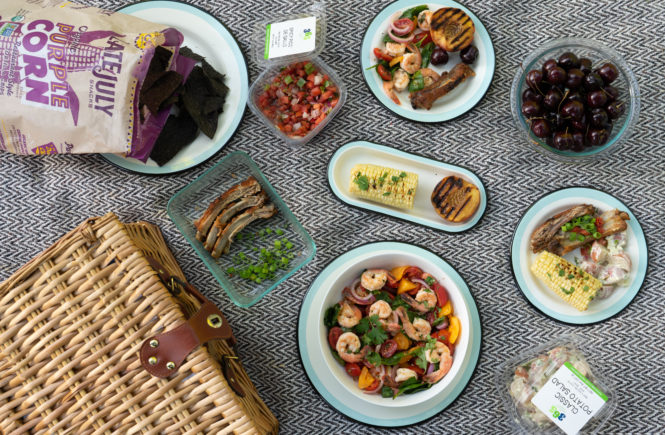
    • MAINS: Cilantro lime shrimp and tomato salad, Baby back ribs
    • SIDES: Corn on the cob, Potato salad
    • SNACKS: Late July purple corn chips, 365 pre-pack pico de gallo
    • DESSERT: Fresh cherries and grilled peaches
    • DRINKS: Waterloo sparkling water

    I’d been having rib-envy after seeing all of the 4th of July spreads on social media, so I also picked up pre-seasoned barbeque baby back ribs, an ear of corn, and pre-pack potato salad to round out the menu.

    I recently started growing cilantro and was hoping I’d find a way to use it into a recipe. The tomatoes are bursting with flavor right now and shrimp was on sale so I knew I decided to combine cilantro lime shrimp and tomatoes for the main course salad.

    Cilantro Lime Grilled Shrimp with Heirloom Tomatoes

    • 1 pound 26/30 Shrimp
    • heirloom tomatoes
    • 1 lime, juiced
    • approx 1/2 tablespoon avocado oil
    • 2-5 cloves of garlic
    • quarter red onion
    • handful of cilantro, chopped
    • baby spinach

    Start by juicing the lime and mixing with 1/2 tablespoon of oil in a bowl. Chop garlic cilantro, onions, and tomatoes. Toss in the lime and oil, add salt, pepper, or seasoning to taste and set aside. This can be prepared up to a day in advance.

    In a medium heat skillet, add 1 pound of fresh shrimp. Stir frequently as the color changes from translucent to opaque. Most shrimp will cook completely in 4-5 minutes. Once done, Immediately remove from heat and fold into tomato salad with a few handfuls of baby spinach.

    This salad can be easily modified in a number of ways depending on what you have on hand to create different flavors. I chose cilantro because it’s what I had on hand, but you could add olives, oregano, and feta cheese for a Greek flavor or Italian with basil, mozzarella, and olive oil.

    Cilantro Lime Shrimp with Heirloom Tomatoes

  • The Circadian Code by Satchin Panda: Summary, Key Ideas & Review

    The book in one sentence: A Salk Institute researcher who runs the science behind time-restricted eating argues that when you eat matters as much as what you eat, and backs it up with his own mouse and human studies.


    What Is The Circadian Code About?

    Picture two groups of lab mice eating the exact same high-fat diet, the same calories, the same food. One group eats freely around the clock. The other eats within an 8-hour window. After twelve weeks, the time-restricted mice are completely protected from obesity, diabetes, and heart disease. The freely-eating mice have all three.

    Same food. Same calories. Different clock.

    That 2012 experiment, published in Cell Metabolism and run by Satchin Panda’s lab at the Salk Institute in La Jolla, is the empirical spine of this book. Panda is not a journalist summarizing other people’s research. He is one of the original circadian biologists, a professor who has spent over twenty years studying how the body’s internal clocks govern every organ and system. He discovered the light-sensing protein (melanopsin) that tells your brain what time of day it is. He built the myCircadianClock app that collected time-stamped eating data from thousands of people. The 2017 Nobel Prize in Physiology or Medicine went to three researchers in adjacent territory, circadian clock genetics, and Panda knows all of them personally.

    The Circadian Code is his attempt to translate two decades of laboratory findings into something actionable. The core argument: your body has a precise internal timing system, every organ runs its own 24-hour clock, and when your eating and sleeping habits fall out of sync with those clocks, metabolic dysfunction follows. The fix is not a new diet. It is a new schedule.


    What Is Time-Restricted Eating and How Does It Work?

    Before Panda ran a single human trial, he surveyed 156 participants using his app and asked them to estimate their daily eating window. Most said 12 hours. The objective data from time-stamped food photos told a different story: 50 percent were actually eating for 15 or more hours per day. Many started with early morning coffee (with cream) and finished with a late-night snack or glass of wine, stretching from 5 a.m. to nearly midnight.

    That window matters for a specific reason. Every organ in the body has its own peripheral clock, entrained primarily by food timing. The liver, gut, pancreas, kidneys, and immune cells all run their own circadian programs. When you eat in a compressed window, those organ clocks can synchronize, run their repair cycles, and reset. When you eat across 15 or more hours, the organ clocks never get their fasting phase, and the downstream effects cascade across every system simultaneously.

    Time-Restricted Eating (TRE) is the intervention Panda developed from this research:

    • Window length: 8 to 12 hours. Eight to ten hours produces the clearest metabolic benefit; 12 hours is a reasonable entry point.
    • Window placement: Earlier is better. Your insulin sensitivity is highest in the morning and drops through the day as melatonin rises in the evening.
    • Consistency: The same window seven days a week. Weekend drift is the most common failure mode.
    • Starting line: The first calorie of the day, including coffee with cream or a bite of anything, starts the clock. Water does not.

    The human data so far is encouraging. Participants from Panda’s 2015 study who restricted to a 10-hour window for sixteen weeks, without being told to change what or how much they ate, lost an average of 4 percent body weight, reported better sleep, and held the loss at one-year follow-up. One subject, West Barnes, started at 300 pounds and lost 40 pounds in three months on an 8-hour window. No calorie counting. No food rules.

    “We compared one set of mice having free access to the fatty diet to a second group that had to eat all their food within an 8-to-12-hour period. Mice that eat the same number of calories from the same foods within 12 hours or less every day are completely protected from obesity, diabetes, liver, and heart disease.” (Satchin Panda)

    The power of TRE as a protocol is partly its simplicity. One variable. No tracking macros, no forbidden foods, no calorie math. Most people who have tried and failed at more complex interventions find that the window framework is something they can actually maintain.


    Why Does Eating Late at Night Cause Weight Gain?

    Here is what happens physiologically when you eat a large meal at 9 p.m. Your blood glucose rises. Your pancreas tries to produce insulin to clear that glucose. But melatonin, the sleep hormone your body starts secreting 2 to 4 hours before your habitual sleep time, actively suppresses insulin secretion from the pancreas. So glucose stays elevated for longer than it would if you had eaten the same meal at noon. The body resolves elevated glucose it cannot efficiently direct into cells as energy by storing it as fat, specifically as visceral abdominal fat, the type most closely linked to metabolic disease.

    That is not a failure of willpower. It is a mismatch between meal timing and the metabolic machinery available to process it.

    Late eating also keeps your gut from running its repair cycle. The gut lining replaces roughly 10 to 14 percent of its cells daily, and this repair requires a genuine fasting state and the growth hormone released during deep sleep. Eat late, and you are asking the gut to digest and repair at the same time, a conflict it cannot fully resolve.

    Panda’s chapter on the gut microbiome adds another layer. Microbial populations in your gut oscillate over the 24-hour cycle, with different species dominating during the feeding phase versus the fasting phase. Chronic late eating reduces microbial diversity and promotes dysbiosis. The practical punchline from Chapter 9 is direct: most chronic gut complaints, bloating, acid reflux, IBS-like symptoms, have a circadian component that elimination diets and probiotics do not address. Moving the last meal earlier and protecting a 12-to-14-hour overnight fast often resolves symptoms that dietary changes have not.

    The mechanical explanation for acid reflux, specifically, is worth knowing. Saliva production follows a circadian schedule. It can be up to ten times higher during the day than at night. Saliva neutralizes stomach acid that refluxes into the esophagus. Eat late, and you are producing more gastric acid with far less saliva to counter it. Millions of people are managing this timing problem with a daily proton pump inhibitor.


    How Do Light and Sleep Connect to Your Eating Window?

    The eating window does not operate in isolation. It is one of three interlocking levers Panda describes, along with light and sleep. And for many people, getting the light piece wrong quietly undermines everything else.

    The master clock lives in the brain’s suprachiasmatic nucleus (SCN) and is entrained by light, specifically by blue-spectrum light hitting melanopsin cells in the retina. Those cells are the ones Panda’s lab discovered. When melanopsin registers light, it tells your brain it is daytime, regardless of what the clock on the wall says. Your devices emit blue-dominant light in exactly the 400-to-490-nanometer range that most strongly activates this system.

    Spend an evening in front of a phone or laptop, and your master clock is being told it is midafternoon. Melatonin onset is delayed. Sleep architecture is compressed. And because the peripheral organ clocks use melatonin as one of their nighttime signals, the cascade of repair processes that should begin during the overnight fast is pushed later.

    The research Panda cites from Charles Czeisler at Harvard adds specificity: healthy volunteers exposed to just one minute of bright light at 2 a.m. showed complete collapse of their circadian body temperature rhythm the following day. One minute. The system is more sensitive than most people expect.

    The practical counterpart to evening dim light is morning bright light. Getting outdoor light within 30 to 60 minutes of waking, even on a cloudy day, sets the master clock for the day. It suppresses residual melatonin, calibrates cortisol timing, and anchors the whole circadian system earlier. Panda frames sleep as the beginning of the biological day, not the end. What happens during the night, glymphatic clearance of metabolic waste from the brain, tissue repair, hormone cycling, determines how the next day’s systems perform.

    On sleep architecture, Panda recommends 7 to 8 consecutive hours with a consistent window. Social jet lag, the 2-hour or more shift in sleep timing that 87 percent of adults experience between weekdays and weekends, produces the physiological equivalent of flying from New York to Los Angeles twice weekly. A consistent 12-hour eating window that shifts by 3 hours on weekends delivers less metabolic benefit than an imperfect window kept at the same time every day. The clock runs on regularity, and the weekend is not a free pass.


    Is The Circadian Code Worth Reading?

    Read this if you have tried multiple diets and found the results short-lived, if you eat what you consider reasonably healthy food but still struggle with weight or energy, or if your eating extends into the evening and you suspect that timing is a variable you have not yet addressed. It is also worth reading if you are on a GLP-1 medication, since TRE compounds GLP-1’s metabolic effects in meaningful ways. And if you experience chronic gut complaints, acid reflux, or bloating that dietary changes have not resolved, Chapter 9 alone may be worth the read.

    Skip it if you are already eating within a consistent 10-to-12-hour window aligned with daylight hours and sleeping well. The core protocol is not complicated, and someone who has already implemented it will find the scientific mechanism chapters interesting but not essential.

    One caveat: The Circadian Code is strong on biology and practical frameworks. It is lighter on the psychological dimension of eating. For many people, the obstacle to narrowing their eating window is not a lack of information about circadian biology. It is stress eating, night eating as a decompression ritual, social eating pressure, or emotional habits that TRE alone will not resolve. Panda acknowledges these patterns but does not address them in depth. The circadian framework gives you the structure; the behavioral and emotional work fills in what the structure cannot reach.


    Books Like The Circadian Code

    BookAuthorBest For
    The Longevity DietValter LongoFasting protocols from a longevity scientist; overlaps on fasting windows, diverges on food composition
    Fast Like a GirlMindy PelzFasting cycles mapped to female hormonal rhythms; practical for women who find generic TRE advice doesn’t account for their cycle
    Fast. Feast. Repeat.Gin StephensImplementation-focused IF guide; less science, more troubleshooting for people who want hand-holding through the window adjustment
    Why We SleepMatthew WalkerThe deep companion on sleep science; Walker covers what Panda does not on sleep architecture, memory, and neurological consequences of deprivation
    The Hungry BrainStephan GuyenetThe neurological side of appetite regulation; pairs well with Panda if late-night eating feels compulsive, not just habitual
  • Brain Food by Lisa Mosconi: Review, Key Ideas & Notable Quotes

    Why This Book Matters

    Here is the premise that makes Brain Food different from every other nutrition book on your shelf: Lisa Mosconi can look inside your brain.

    Not metaphorically. Literally. Mosconi is a neuroscientist and nuclear medicine specialist who spent fifteen years using MRI and PET brain imaging to track how the brain changes in people at genetic risk for Alzheimer’s. She built the Family History of Alzheimer’s research program at NYU School of Medicine, founded the Nutrition and Brain Fitness Lab at NYU, and holds degrees in neuroscience, nuclear medicine, and integrative nutrition. What this means in practice is that when she tells you eating omega-3-rich fish is good for your brain, she isn’t citing a correlation study where people filled out a food diary and self-reported their memory. She is telling you what she saw when she scanned the brains of people who ate fish regularly versus people who didn’t — the structural differences, the metabolic differences, the measurable evidence of more or less brain shrinkage over time.

    That’s a different kind of authority. And Brain Food uses it well.

    The book arrives with a specific problem in its crosshairs: the widespread confusion about what “brain-healthy eating” actually means. Depending on the day and the media cycle, you might hear that butter is brain food because the brain is made of fat, that the ketogenic diet will turbocharge your cognition, that antioxidant supplements will protect your neurons, or that carbohydrates are destroying your memory. Much of this is wrong, and some of it is dangerously misleading. Mosconi’s brain imaging data lets her say so with evidence rather than opinion.

    For anyone who has wrestled with their relationship to food, the frame Mosconi offers here is worth noting: this is not about eating less. It’s not about restriction, willpower, or moral purity. It’s about understanding what your most important organ actually needs — and making choices that serve it. That’s a different starting point than most diet culture gives us, and it holds up.

    The Central Idea: Your Brain Is a Picky Eater with Specific Needs

    Most nutrition advice treats the brain and the body as a unified system — as though what’s good for your heart, your gut, or your waistline is automatically good for your brain. Mosconi’s core contribution is showing that this is not accurate.

    The brain is protected by the blood-brain barrier, a molecular gatekeeper that controls exactly which nutrients enter the brain and which are excluded. Of the 45+ nutrients the brain requires, some can be manufactured locally by the brain itself — so the brain doesn’t need you to eat them. Others cannot be made internally and must come entirely from food. Mosconi calls these “brain-essential nutrients,” and they are the foundation of everything that follows in the book.

    This framework settles several popular debates:

    Does the brain need dietary fat? The adult brain does need specific fats — omega-3 polyunsaturated fatty acids, particularly DHA and EPA. It does not need dietary saturated fat or dietary cholesterol, because it manufactures those itself after adolescence. The popular “butter is brain food because the brain is 60% fat” claim fails on two counts: the brain isn’t 60% fat (it’s about 11% fat by wet weight), and the fat it does need isn’t butter.

    Does the brain need carbohydrates? Yes, and only. The brain is the only organ in the body that runs exclusively on glucose — it cannot burn fat for energy the way your muscles can. Ketones are a backup fuel during starvation, not a superior state. Ketogenic diets, in Mosconi’s assessment, impose a nutritional framework that works against all three of the brain’s primary dietary priorities at once.

    Do antioxidant supplements protect the brain? No — and this is one of the book’s most important messages for anyone spending money on supplement stacks. Supplement trials for vitamin E and C have consistently failed to show cognitive protection. Food-based vitamin E and C, consumed consistently at adequate levels, show strong protective effects. The difference is the synergistic matrix of co-factors that food provides and isolated supplements cannot replicate.

    Key Ideas

    1. Water Before Anything Else

    The brain is 80% water. Dehydration is, therefore, the most immediate and reversible cause of cognitive impairment available.

    Mosconi’s MRI data shows that chronic dehydration accelerates the brain shrinkage associated with aging and early dementia. Even mild dehydration — 3 to 4% — disrupts the brain’s fluid balance and produces measurable cognitive effects: fatigue, brain fog, difficulty concentrating, headaches, and mood instability. Adequate hydration, conversely, can boost cognitive performance by up to 30%.

    This matters for the excessmatters reader specifically: a significant number of the cognitive and emotional symptoms that people attribute to their relationship with food — afternoon fog, irritability, difficulty making decisions, emotional reactivity — are often, at least partially, dehydration. Before overhauling your diet, Mosconi would tell you to start with eight 8-ounce glasses of water daily, starting first thing in the morning, and see what changes.

    Electrolytes matter: plain water without magnesium, potassium, and sodium is less effective. Herbal teas count. Coffee partially dehydrates, so track water separately. And if you’re over 50, your thirst response is diminishing — hydration needs to become deliberate rather than reactive.

    2. Omega-3s: The One Fat the Brain Can’t Make

    DHA and EPA — the omega-3 fatty acids found in fatty fish — are the only dietary fats the adult brain cannot manufacture and must receive from food. DHA is the dominant structural fat in neuron membranes: it enables the electrical signaling and synaptic flexibility that make memory and learning possible.

    The numbers Mosconi cites are striking: in a study of 6,000 elderly participants, those with low omega-3 intake had a 70% higher risk of developing Alzheimer’s. Her own brain imaging data shows that people consuming less than 4 grams of DHA daily have accelerated brain shrinkage — equivalent to two extra years of brain aging.

    Most Americans consume far less than the 4 to 6 grams of combined DHA and EPA that Mosconi identifies as the brain-protective threshold. The reasons are partly the decline of fish in the American diet, and partly the dominance of omega-6 oils (sunflower, corn, soybean, grapeseed) that compete with omega-3s in the body. The typical American diet has an omega-6 to omega-3 ratio of 20-30 to 1; the brain-protective target is closer to 2 to 1.

    The best sources: wild salmon (2.2g per 3oz), herring, mackerel, sardines, anchovies — and surprisingly, caviar and fish roe at 6.8g per 100g, making it the most DHA-dense food available. For non-fish eaters, plant sources (flaxseed, chia, walnuts) provide ALA, but 75% is lost in conversion to the DHA the brain actually uses. Algae-based DHA supplements are the cleanest vegan alternative.

    3. The Choline Blind Spot — and Why Egg Yolks Matter

    This section of the book may be the most practically underappreciated. Choline is a B-vitamin the brain requires to manufacture acetylcholine — the neurotransmitter that governs memory, learning, and the ability to form and consolidate new information. The brain cannot make adequate choline on its own; approximately 90% must come from diet. And an estimated 90% of Americans are choline deficient.

    The significance: acetylcholine deficiency is the exact mechanism targeted by Alzheimer’s disease. Most FDA-approved Alzheimer’s drugs (like donepezil) work by slowing acetylcholine’s breakdown because the system is already depleted. Eating for adequate choline is upstream Alzheimer’s prevention in a very direct and specific way.

    The most accessible dense source of choline is egg yolk at 682mg per 100g — three whole eggs covers the daily requirement for women (425mg), four for men (550mg). The problem is decades of egg-white-only culture: egg whites contain almost no choline. If you’ve been eating only the white for years under the assumption it’s healthier, you’ve been chronically undertreating one of your brain’s most fundamental needs. Shiitake mushrooms, cod, sardines, and brewer’s yeast are secondary sources.

    4. The Glucose Problem with Keto (and With High-Sugar Eating)

    The brain runs exclusively on glucose. It cannot use fat for energy the way your muscles can. This creates a specific mandate: the brain needs a reliable, stable supply of blood sugar — not high, not low, but steady.

    Chronically high blood sugar causes brain inflammation and accelerates hippocampal shrinkage. Some researchers now describe Alzheimer’s as a form of “type 3 diabetes,” reflecting the connection between insulin resistance and cognitive decline. But the solution is not to eliminate carbohydrates. The solution is to select the right ones — low-glycemic, high-fiber sources that release glucose slowly and steadily rather than spiking and crashing.

    Best sources: berries, grapefruit, sweet potatoes, legumes, whole grains. Avoid: white bread, white rice, sugary beverages, pastries, processed snacks. Mosconi is also explicit about ketogenic diets: even in full ketosis, the brain still requires at least 30% of its energy from glucose. Ketones are a starvation backup, not a performance upgrade — and the high saturated fat, low fiber pattern of most keto implementations creates additional problems for the brain.

    For people who have cycled through restrictive eating patterns — including keto — the cognitive symptoms they attribute to “carb addiction” or “sugar withdrawal” are often the brain running on a suboptimal fuel supply.

    5. B Vitamins, Homocysteine, and a Hidden Dementia Risk

    Vitamins B6, B9 (folate), and B12 regulate homocysteine — an amino acid that at elevated levels nearly doubles dementia risk and accounts for up to 25% of all dementia cases through vascular brain damage. This is not a fringe finding; it is well-replicated and clinically testable via routine blood work.

    A normal homocysteine level is 4 to 17 mmol/L; brain risk begins increasing meaningfully at 14 mmol/L. A 5-point rise corresponds to a 40% additional increase in cognitive deterioration risk. The good news: elevated homocysteine is fully reversible through dietary B vitamin intake. Spinach (folate), wild salmon (B12, three times the RDA per 3-ounce serving), and pistachios or sweet potatoes (B6) are the primary food levers.

    Critical nuance: B12 is found only in animal products. Vegetarians and vegans need to supplement — but through B12 specifically, not a multivitamin.

    The omega-3/B-vitamin pairing is one of the book’s most important insights: in clinical trials of B vitamin supplementation for mild cognitive impairment, the protective effect appeared only in patients who also had adequate omega-3 levels. The two systems amplify each other. A salmon salad with spinach and avocado hits both targets simultaneously.

    6. Gut and Brain Are the Same System

    The gut microbiome — 100 trillion bacteria living primarily in your GI tract — directly shapes brain function through multiple pathways: producing serotonin precursors, synthesizing B vitamins, regulating the blood-brain barrier’s permeability, and modulating systemic inflammation that ultimately reaches the brain. Dysbiosis (microbiome disruption) is linked to anxiety, depression, and increasingly, dementia risk.

    For anyone who has experienced the food-mood connection — eating badly and feeling emotionally worse, or conversely noticing that weeks of cleaner eating lift your mood before your weight changes — this is the mechanism. The gut-brain axis is not a metaphor. It is a bidirectional neural and chemical highway.

    The dietary levers for microbiome health: probiotic foods (plain yogurt, kefir, sauerkraut, brined pickles) and prebiotic foods that feed beneficial bacteria (onions, asparagus, artichokes, garlic, oats). Foods that disrupt the microbiome include processed food emulsifiers (lecithin, carrageenan, polysorbates, xanthan gum — check labels) and factory-farmed meat carrying antibiotic-resistant bacteria.

    Notable Quotes

    “The brain is a very picky eater. In comparison with the rest of the body, which figured out a way to process most nutrients to its advantage, our brains are very strict and highly selective when it comes to food.”

    This is Mosconi’s foundational premise, and it reframes everything. Brain nutrition isn’t the same as general nutrition. The blood-brain barrier changes the game.

    “The brain is the hungriest organ in the body. It takes up a mere 2 percent of our body weight, but uses up to 20 percent of our energy resources.”

    The brain is running an enormous energetic operation on a small frame — which means the quality of fuel matters disproportionately.

    “People who consumed at least 16mg of vitamin E daily had a 67% lower risk of developing dementia. But supplements don’t work — only food.”

    Supplement trials fail consistently. Food-based vitamins succeed consistently. The synergistic co-factor matrix of whole food is what supplements cannot replicate.

    “Genes load the gun. Lifestyle pulls the trigger.”

    Genetic risk for Alzheimer’s — including the APOE4 variant — is probabilistic, not deterministic. Daily food choices continuously influence which genetic programs become active.

    “Cognitive impairment is not a mere consequence of old age, but rather represents the endgame of years after years of accumulated insults to the brain.”

    The brain damage that manifests as dementia at 75 began accumulating in someone’s 30s and 40s. What feels like an abstract future risk is being built or protected against right now.

    “Dehydration of as little as 3 to 4 percent disrupts brain fluid balance, causing immediate cognitive effects: fatigue, brain fog, reduced energy, headaches, and mood swings.”

    Many symptoms people attribute to stress or their relationship with food are, at least in part, simple dehydration.

    Who Should Read This

    Brain Food is written for people in their 30s, 40s, and 50s who want to make dietary choices with their future cognitive health in mind — before symptoms appear, when the window for prevention is widest. Mosconi notes that the brain changes leading to dementia can begin as early as young adulthood; this is not a book for people who are already in crisis, but for people who want not to be.

    It’s also an excellent read for anyone who has been confused by conflicting nutrition messaging — keto versus Mediterranean, fat versus carbs, supplements versus food. Mosconi’s brain imaging data cuts through that noise with a clarity that opinion-based nutrition writing cannot match.

    For the excessmatters reader specifically: if you have spent time cycling through restrictive eating patterns, if you’ve eliminated whole food groups in pursuit of health or weight loss, or if you’ve relied on supplements as a shortcut past dietary fundamentals, Brain Food will reorient your understanding of what your body’s most important organ actually needs. Mosconi doesn’t moralize about food. She doesn’t use the language of clean or dirty eating. She works from imaging data and asks a different question: given what we can see inside a brain, what does it actually run best on?

    The answer is not a fad. It’s mostly fish, leafy greens, berries, olive oil, whole eggs, and water — eaten consistently, without restriction or anxiety, in a pattern that has kept people in five regions of the world cognitively sharp into their 90s and beyond.

    Skip if: You’re looking for a recipe book (there are some, but the book is heavily science-forward in its first two-thirds). Also skip if you’re already fully committed to a ketogenic dietary approach and don’t want to engage with strong evidence against it.

    Related Books on ExcessMatters

    • Age Like a Girl (Mindy Pelz, 2025) — Cites Mosconi’s brain imaging research directly; focuses on the female brain during hormonal transitions and how nutrition intersects with the menopausal remodel.
    • Eat Like a Girl (Mindy Pelz, 2023) — Recipe-forward companion volume for cycling nutrition and metabolic health.
    • Hormone Intelligence (Aviva Romm, 2021) — Convergent approach from integrative medicine; useful alongside Mosconi for understanding the hormonal-nutritional interface.
    • Fast Food Nation (Eric Schlosser, 2001) — Documents the industrial food system and processed food landscape that Mosconi’s guidance is trying to navigate readers away from.
    • Fast Like a Girl (Mindy Pelz, 2022) — Addresses metabolic flexibility and fasting; complements the glucose management framework in Brain Food.
  • Weekly Weigh In

    Weekly Weigh In

    My intention at the beginning of the year was to share more consistently by weighing in on the previous week. Like so many times before, I didn’t follow through. I’d like to blame it on one of the many the curveballs life threw my way, but the truth is I’ve become lazy about keeping commitments to myself and others. Here’s to changing that behavior and showing up imperfectly.

    Reflections: The past month was a whirlwind with a big change in my living situation. The move was unexpected and somewhat traumatic but what’s come out the situation feels like a dream.

    As anyone who has ever moved knows, it’s not the most fun and  takes awhile for everything to settle. I didn’t cook much and I exercised even less over the past month, but I did my best to be mindful about my food choices and movement.

    When I finally unpacked and stepped on my scale, I was surprised to see I hadn’t gained weight and instead I’d lost a pound. I’ve eaten foods that make my belly ache more than once but I’m trying to have compassion for what drives that and keep moving forward.

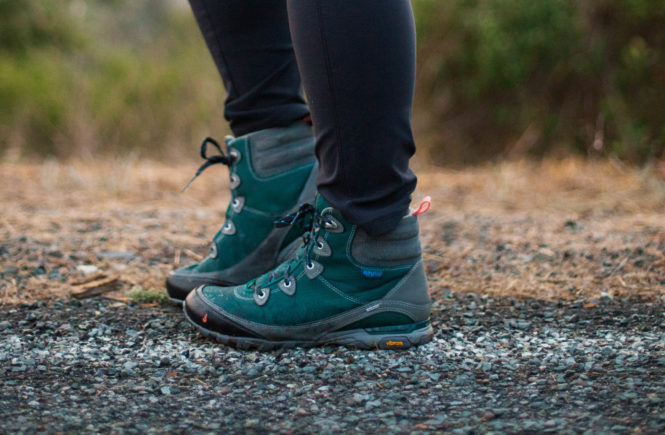
    Last week, I went to my friend Sarah‘s Galentines brunch at Le Marais Bakery. She’s a fashion blogger and reminds me of my days as a 20-something Chanel-wearing fashion entreprenuer. These days I prefer Athleta and hiking boots, but I still like getting fancy when the occasion calls for it. I actually thought about getting dressed up and wanted to wear something more feminine like a dress or blouse and heels, but I didn’t have any good options. I settled on a sweater with black pants and boots, threw on some makeup, and felt pretty cute. Y’all, everyone showed up in pink. There was no memo, they just instinctively did it. I guess on Wednesdays they wear pink 😉

    Look, I could have used this as an opportunity to feel like an outsider or what I wasn’t enough. You know, those old tapes. But that’s not what happened. I thought it was funny and embraced my differences without shame. Do I wish I had taken the opportunity to get fancy and have Alexis take my picture? Yes! It would have been a great opportunity to step outside of my comfort zone. Am I ashamed that I wasn’t wearing pink? No way! I am proud that I’m able to show up in this kind of situation and take it in stride.

    I went into this meal anticipating that I would indulge and I enjoyed it all. I’m not sure if that freedom allowed me to avoid emotional eating in a slightly akward social situation, but I just felt at ease. I’ve heard of Le Marais Bakery, but hadn’t tried it because I didn’t imagine they’d have many options for me. What surprised me most was the variety of keto options on their menu. They have many of the usual french favorites, but also a fun build your own board where you choose 5-7 sides from things like smoked salmon, bacon, proscuitto, 3 types of eggs, croissant, bagel, fruit, oatmeal, avocado, and more.

    Intentions: Keep showing up. Make a plan and share it. Weigh-in again next week.

  • Learning to Rock Climb

    Learning to Rock Climb

    Up For Anything Challenge

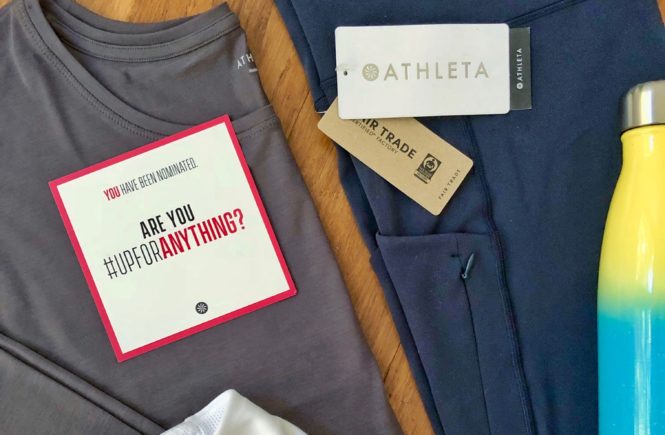
    To ring in 2018 and celebrate the launch of the new ‘Up For Anything’ tight, Athleta challenged me and a friend to be #UpForAnything and step outside our comfort zone by attending a fitness class we’ve never tried before. Throughout my journey, I’ve taken all types of classes, from SoulCycle to Barre, but never dared try rock climbing. The idea intrigued me, but the story I told myself and others was that it was too dangerous.

    We all have those exhilarating yet intimidating activities that we’d like to try, but I truly believed that my size and strength disqualified me from participating. Like many activities of years past, I believed climbing wasn’t meant for someone (fat) like me. Thanks to a growing movement of body confidence and inclusion, I’ve started to push past limiting beliefs about my body and the space I take up in the world. When Athleta asked if I was #UpForAnything, I knew reaching for my limitless potential meant I not only had to scale the wall in the gym but also the one I’d built up in my mind.

    Nominating A Friend

    My friend Suzanne has been a huge source of motivation in my life. I admire her willingness not only to push herself but encourage others to step outside their comfort zones too. I met her at a book signing in Berkeley, and we felt an immediate kinship –– she has also spent most of her life overweight and worked to overcome struggles with confidence and self-love. When I began my Instagram account, It was a food diary where I shared snaps of what I was eating. Despite having lost over 70 pounds, I had crippling body image issues and avoided pictures at all costs. It was Suzanne who encouraged me to share my story and step out from behind the camera. I am forever grateful for her (not so subtle) nudge and all the ways I have grown as a result. When Athleta asked me to nominate a friend to tackle this challenge with me, it seemed only fitting that it would be Suzanne.

    What To Wear

    It’s safe to say that rock climbing gear does not lend itself to the most flattering look. The harness has a tendency to bunch up and squish things around, which is why it’s recommended to wear clothes that offer comfort and mobility. Athleta’s new Up For Anything Tight is the perfect combination of movement and support. Their amazing Scluptek Light is a lighter weight compression fabric that is extremely versatile for any workout. The pants stayed put the entire time and I didn’t once worry about the waistband falling or rolling down. In fact, I didn’t think about my pants at all, which is a sign of optimal performance in my book. My must-have feature for pants are pockets, and these pants have four: one hidden in the waistband, two leg pockets, and one side zip pocket. Combined with the beautiful, bold jewel-tone colors, these pants are a new favorite.

    Rock Climbing Basics

    There are many types of rock climbing, and each requires different training and equipment. Indoor gyms most often include:

    • Bouldering involves routes that are close to the ground and does not require a harness or rope. The floor is typically a thick pad to protect you when falling.
    • Top-Rope Climbing is the most popular type of indoor climbing and requires a harness-and-rope secured to an overhead anchor. You tie into one end of the rope, and the other end of the rope is held by a belayer (the person who handles the tension in the rope to catch you in case of a fall).
    • Lead Climbing requires the most skill and is the more like outdoor sport climbing. The challenge with lead climbing is that if you slip, you’ll have a harder fall than you would feel when top-roping.

    Top-rope climbing is the most popular among indoor climbing my heart was set on making it up the wall so we needed to take belay lessons. Our instructor walked us through all of the basics, learning how to tie knots that would keep us secure in our harness and how to belay so we could support one another. One of the things I didn’t realize about rock climbing is the constant reliance on another person. As someone who tends to isolate and do everything myself, I enjoyed this push to rely on another person and was grateful to share the experience with a friend who I trust.

    Once we got through the detailed instruction, it was time to put my limits to the test! I love adventure and trying new things, so the spirit of this challenge was right up my alley, but as I mentioned, I have been carrying a genuine fear of rock climbing. After examining what was driving the fear, I realized that it’s mostly mental, but that didn’t mean it disappeared once I put on a harness. I had come this far so there was no turning back. Climbing the wall was not as difficult as I expected and the feeling of reaching further with each step was exciting.

    Are you up for Anything?

    Now that I’ve conquered that fear, I want to share this feeling of accomplishment and remain Up For Anything in 2018! I am planning to continue to practicing climbing so I can improve my strength and skill. If you’re in San Francisco and would like to climb with me, send a message! I’d love to meet up with new and old friends so we can support each other on the ropes! If you’re not in the Bay Area, is there a workout that you’ve always wanted to try but been too afraid to pursue? Will you join me in the challenge this year? I’d love to hear what that means to you.

    Thank you to Athleta for sponsoring this post. I am grateful to work with a brand who inspires me to reach for my limitless potential. As always, all opinions are my own. 

  • Weekly Weigh-In

    Weekly Weigh-In

    Happy New Year, friends!

    One of my goals for 2018 is to share more, with greater consistency. I’m going to be posting weekly “weigh-ins” to reflect on my journey and progress from the previous week. I hope that this external accountability will help me connect with more of you. If you are also working toward your health goals, I’d love to hear from you in the comments below.

    Reflections: One of my intentions for the year is to be more flexible and intuitive with my food choices. I feel physically and mentally better when I limit carbs, but I also want the freedom to enjoy the pleasure and social connection of food. This deserves a dedicated post, but for context, I’ve been eating a mostly ketogenic diet since December 1, and I’m feeling terrific.

    I spent New Years Eve weekend in Yosemite National Park and experienced some magical moments I will never forget. I got more steps than I have in awhile and it was wonderful to be outside. I brought plenty of healthy options for meals and snacks, but also the mindset that I would enjoy indulgences if I wanted to. For the most part, the food around the park is mediocre, but two occasions felt worth it: a few bites of a birthday skillet cookie a la mode and new years eve campfire dinner of hot dogs and s’mores. I am happy with those choices and have no regrets.

    Unsurprisingly, the scale had gone up a few pounds when I got home, but I assumed this was water weight and trusted it to even out in a few days. That proved true, and I ended this week 5.2 pounds down from my Tuesday morning post-trip weigh-in.

    Intentions: I’ve fallen way off track with my daily step habit. For years, I consistently walked ~10k steps per day, but this past year, I regressed. My intention for this week is to be more active and accumulate 70k steps over the course of the week. There is rain in the forecast, and I am traveling, which is why I chose a weekly goal instead of the pressure of a daily goal.

    Instagram:  Instagram has been a huge source of inspiration and community for me and I’m making an effort to post more consistently. I know not everyone uses social media, so I want to share those posts here as well.

    YOU ARE THE ONLY AUTHORITY ON YOUR HEALTH, YOUR BODY & YOUR DIET. I’ve been so tempted to do #januarywhole30 with friends, but my intuition keeps saying NO. Why? Probably because it’s not MY program, it’s @melissa_hartwig’s program. Don’t get me wrong; I think #whole30 is an incredible blueprint with awe-inspiring resources and a supportive community. In fact, the program rules are almost identical to the way I eat, but at this point in my journey, I’m not seeking rules, I’m seeking freedom. – A few years ago I hypothesized that carbohydrates were fueling my food addiction and discovered #keto when googling “Will I die if I don’t eat carbohydrates?” I am a long-time advocate of real food and carried whole 30 / paleo principles into my 8-month experiment with a #ketogenic diet. I felt terrific, and my lifelong preoccupation with food went away. I was able to eat intuitively without counting or tracking and lost weight with ease. I didn’t binge once, and my #hidradenitissuppurativa went into remission. I thought I had found the answer. – Then life happened. I lost sight of what DID work for me in favor of what I WANTED to work for me. While 2017 was the year I finally learned to have love and compassion for my body, my health rapidly declined as I stopped prioritizing foundational habits like walking, preparing meals at home, and eating vegetables every day. – Last month I recommitted to a #ketogenic diet because I felt like food was controlling me and I wanted to be able to think clearly. For whatever reason, my body and brain seem to perform better in #ketosis. I don’t know what this looks like longterm, but I am focussing on being less rigid and more intuitive about it. My intention for 2018 is to honor physical and mental health while cultivating resilience and metabolic flexibility. – I think food stuff is hard for so many reasons, but mainly because it’s unique for each of us. My most significant takeaway of 2017 is that we must be our own advocates. No one can understand you or your body better than you. Filter out the noise. I can’t tell you what will work for you; I can only share my experience in hopes that it might inspire you on your own journey.

    A post shared by BROOKE ✧ BARNETT (@excessmatters) on

    Nothing went according to plan, but I’m pretty sure everything happened exactly as it was supposed to. Feeling grateful for a magical NYE in Yosemite with @artcampla and fam. – Just after midnight, we heard a mighty pack of coyotes singing across the valley. It sounded as though there were thousands of them and their otherworldly song is one we won’t soon forget. – I read that the coyote is often revered as an important messenger of personal transformation through self-reflection. It’s said that a coyote sighting can be a reminder to look at things you may have been avoiding. A call to see your full reflection and focus on your whole life instead of just one part. – This feels particularly relevant going into 2018. A few months ago I was feeling really down and did a thought experiment trying to imagine how my life might have different had it not been overshadowed by obesity. What else do I care about? What if I never overcome this struggle? What do I really love? – I don’t know why I feel self conscious to share how much I love photography. I’ve been taking pictures since I was 7 years old, but I rarely share them. I’m definitely a perfectionist, but also an introvert so it’s easy for me to keep things to myself. One of my intentions for 2018 is to embrace imperfection and share more of my work. – I’d also like to hike all of the major trails out of Yosemite Valley! This photo was taken as we unexpectedly caught the moon rising on our way back to camp.

    A post shared by BROOKE ✧ BARNETT (@excessmatters) on

    Stocking up at @wholefoods 25% off supplement sale! Double discounts on some of my favorites including #bulletproof and #vitalproteins. The sale starts today and runs through the weekend (January 5-7) in local stores across the country so don’t miss it! – #ontheblog, I partnered with @wholefoodssanfrancisco and wrote about my top 3 keto supplements to help get into ketosis and prevent the keto flu. I compared different MCT oils and shared some of the ways to cut down on costs. I’d love to know what you think and if you have any other recommendations for me to try. (link in my profile or https://excessmatters.com/keto-supplements). – Y’all know I rely on real food for my nutrients, but I do supplement when needed so I’ll be sharing a few more staples on my stories and I’d love to know what supplements help you optimize your health.

    A post shared by BROOKE ✧ BARNETT (@excessmatters) on

    I’m still figuring out how I want to format these weekly weigh-ins, which are about so much more than the number on the scale. What would you like to see? What would be helpful to you? I’d love to hear your thoughts if you have a minute to share!

  • The Longevity Diet by Valter Longo: Summary, Key Ideas & Review

    The book in one sentence: A molecular biologist who studies aging for a living lays out the specific diet and periodic fasting protocol his lab designed to trigger cellular regeneration, backed by thirty years of research across lab science, population studies, and clinical trials.


    What Is The Longevity Diet About?

    Valter Longo was sixteen when he moved from Genoa to Chicago and noticed that his Italian relatives who had emigrated were developing diabetes and heart disease that wasn’t common back home. He filed that observation away. A decade later, he was deep in a PhD in aging biology at UCLA, training under Roy Walford, then the world’s leading expert on nutrition and longevity. Thirty years of research followed. The Longevity Diet is what came out of it.

    Longo directs the USC Longevity Institute and the IFOM Cancer Research Institute in Milan. His lab identified the molecular pathways linking dietary protein to accelerated aging, the mechanism by which periodic fasting triggers cellular regeneration, and the design of a 5-day protocol (the Fasting-Mimicking Diet) that produces the measurable benefits of fasting without requiring anyone to actually fast. He’s also been studying centenarians in his childhood village in Calabria for decades. The combination of bench science, clinical trials, and living population data is unusual in a genre that often picks one and runs with it.

    What the book offers, beyond the diet itself, is a framework for evaluating all nutrition claims — not just his. The Five Pillars of Longevity, the methodological core of the book, are worth the cover price on their own.


    What Does Valter Longo Say About Protein and Aging?

    Protein is where Longo earns his fiercest pushback, and it’s worth understanding the argument carefully before dismissing it.

    In an epidemiological study of approximately 6,000 Americans, his lab found that people who reported high protein intake before age 65 had a 75% higher overall mortality rate and a 3-to-4-fold higher cancer mortality rate than those on a low-protein diet. The mechanism runs through IGF-1 (insulin-like growth factor 1), a growth hormone that dietary protein keeps elevated, and which is consistently associated with accelerated aging and elevated cancer risk. Leucine-rich amino acids, abundant in animal protein, also activate TOR-S6K, a gene system that directly speeds up cellular aging.

    The human evidence is stronger than most people realize. Longo collaborated on a decades-long study of people in Ecuador with Laron syndrome, a genetic mutation that disables the growth hormone receptor and leaves them with near-zero circulating IGF-1. Despite eating fried foods and living generally unhealthy lifestyles, these individuals develop dramatically less cancer and diabetes than their non-Laron relatives in the same households. Their brains also function at the level of younger individuals. It’s the closest thing to a natural human experiment on IGF-1 suppression in existence, and the results are hard to dismiss.

    The counterintuitive turn: after age 65, the protective effect of low protein reverses. IGF-1 naturally declines with age, and the primary risk shifts from cancer to sarcopenia, immune weakness, and frailty. The centenarians Longo studied in Calabria had eaten plant-heavy, low-protein diets for most of their adult lives, then added back eggs, fish, and goat dairy as they moved into their 80s and 90s. The prescription before 65 is 0.31-0.36 grams of protein per pound of body weight daily, primarily from legumes, nuts, and fish. After 65, increase by 10-20% and introduce more high-quality animal foods.

    Most diet books treat protein as a variable to optimize for a single goal. Longo is the rare author who makes the case that the optimal protein level for a 40-year-old and a 70-year-old are different in opposite directions, and explains why.


    How Does the Fasting-Mimicking Diet Work?

    Standard intermittent fasting compresses eating into a daily window. The FMD does something different: it takes you off normal food for five consecutive days in a way that produces the measurable blood markers of fasting (low IGF-1, low glucose, high ketones, high IGFBP1) while providing enough calories to do safely at home.

    Day 1 is approximately 1,100 calories, split between complex carbohydrates and healthy fats, with 25 grams of plant protein. Days 2 through 5 drop to approximately 800 calories each with the same macronutrient structure. Day 6 is a gradual return to normal eating, leading with complex carbohydrates.

    The biology behind it goes deeper than caloric restriction. When the body is deprived of nutrients periodically, it enters a controlled stress state. Damaged and aged cells are disproportionately destroyed through autophagy (cellular self-digestion). Stem and progenitor cells are activated. When normal eating resumes, those stem cells rebuild the affected tissue with functionally younger cells. Longo’s lab documented this process in the immune system, liver, muscle, pancreas, and brain in mice. Rising circulating stem cells have been detected in human blood during FMD cycles.

    The clinical trial results from a 100-subject randomized controlled study at USC, three monthly cycles:

    • More than 8 pounds of weight loss in obese subjects, primarily from abdominal fat
    • 12 mg/dL reduction in fasting glucose in prediabetic subjects (returning most to normal range)
    • 6 mmHg blood pressure reduction in subjects with elevated readings
    • 20 mg/dL cholesterol reduction
    • 55 ng/mL IGF-1 reduction
    • 1.5 mg/dL CRP reduction
    • 25 mg/dL triglyceride reduction

    Three months after the last cycle, meaningful improvements across body fat, glucose, IGF-1, and blood pressure were still present. No single pharmaceutical produces improvements across all those markers simultaneously.

    Longo recommends FMD frequency based on health status: monthly for people who are overweight with two or more risk factors; every two to three months for moderate-risk individuals; every four to six months for healthy people already eating well and staying active.

    The commercial version of the FMD is ProLon, a pre-packaged meal kit sold by L-Nutra, a company Longo co-founded. He is transparent about this conflict: he donates his shares in L-Nutra to charity and receives no salary or consulting fee. That said, his recommendation to use the commercial product rather than approximating it at home is commercially convenient and debated by dietitians who have worked with whole-food FMD approximations with similar results. Worth knowing before you decide.


    What Does the Longevity Diet Actually Tell You to Eat?

    The daily framework is pescetarian and primarily plant-based, with specific structure:

    Protein: Mostly from legumes and nuts. Fish 2-3 times per week, avoiding high-mercury species (tuna, swordfish, mackerel, halibut). No red meat. Minimal white meat.

    Fat: High olive oil (3 tablespoons per day), nuts (about 1 ounce daily), fatty fish. No cheese except small amounts of feta or pecorino from goat or sheep milk.

    Carbohydrates: Complex carbs from whole grains, legumes, and vegetables. Very limited simple sugars, white rice, pasta, white bread, and fruit juice.

    Eating window: All food within 11-12 hours (e.g., 8am to 8pm). No food within 3-4 hours of sleep.

    Meal structure: Two meals plus one low-calorie snack per day for most adults. Three meals plus a snack after 65 or if underweight. The common advice to eat five or six small meals per day, Longo argues, lacks any longevity evidence and makes accurate calorie regulation nearly impossible.

    One layer that most nutrition frameworks skip: ancestral alignment. Longo recommends choosing within the Longevity Diet framework using foods that were common on your parents’ and grandparents’ table. Populations develop enzyme systems, gut microbiomes, and immune tolerances calibrated to ancestral foodways. A Japanese-American eating a high-dairy Mediterranean diet may be consuming foods her digestive system was never equipped for, not because Mediterranean food is wrong, but because it’s wrong for her particular ancestry.

    Longo also introduces the Five Pillars as a tool readers can apply after finishing the book: any dietary recommendation must survive scrutiny across basic laboratory research, epidemiology, clinical trials, centenarian studies, and complex systems reasoning simultaneously. A high-protein diet may survive the clinical trial pillar. It collapses under the other four. That framework is a useful lens for the rest of your life.


    Is The Longevity Diet Worth Reading?

    Read this if you’re approaching 40 or past it and want a science-grounded framework for the second half of your life. Also if you’ve tried some form of intermittent fasting and want to understand how it compares mechanically to an FMD cycle, what the actual evidence says, and whether what you’re doing has meaningful support behind it. Good for anyone managing prediabetes, elevated cholesterol, high blood pressure, or elevated CRP who wants to know what a rigorously tested dietary intervention actually looks like in practice.

    Skip it if you’re looking for recipes and a practical weekly meal plan. The book is primarily science and framework — the two-week meal plan in the appendix helps, but it’s not a cooking guide. The disease-specific chapters (cancer, diabetes, cardiovascular, Alzheimer’s) are dense and can feel repetitive if you’re not currently navigating those conditions. If you have a history of disordered eating around restriction, the FMD requires careful clinical guidance before attempting.

    One caveat: The book positions the FMD as a fairly settled clinical advance. The mouse data is genuinely striking. The human data from one 100-subject RCT is promising. The jump from “promising” to “proven” happens faster in the narrative than the evidence strictly supports, especially in the autoimmune and neurodegeneration chapters. Longo is appropriately careful about directing patients to clinical trials rather than trying things at home, but readers without scientific training may not catch how far some of the mouse-to-human translations still need to travel.

    That caveat doesn’t undermine the core case for the daily Longevity Diet or the five-pillar framework, both of which hold up well. The book is more rigorous than almost anything else in the longevity nutrition genre, and the honest conflict-of-interest disclosures are refreshing in a field full of undisclosed financial entanglements.


    Books Like The Longevity Diet

    BookAuthorBest For
    OutlivePeter AttiaA serious counter-argument on protein; the tension with Longo on protein is one of the sharpest live debates in practical longevity medicine
    The Circadian CodeSatchin PandaThe time-restricted eating science that supports Longo’s 11-12 hour eating window recommendation
    Fast Like a GirlMindy PelzWomen-specific fasting guidance; more accessible and less research-dense than Longo
    How Not to DieMichael GregerOverlapping plant-based recommendations but a more absolutist position on animal protein; useful for comparing evidence bases
    The Obesity CodeJason FungFasting from a clinical insulin-resistance lens; less mechanistically rigorous than Longo but more accessible for the weight-loss reader
  • Top 3 Supplements for Ketosis and Preventing Keto Flu

    Top 3 Supplements for Ketosis and Preventing Keto Flu

    So you’re trying out Keto? As your body transitions from a glucose to fat-burning state, a number of uncomfortable flu-like symptoms may pop up. Fortunately, there are a few things you can do to help your body get into ketosis more efficiently, with less friction. I’m excited to partner with Whole Foods Market to highlight some of my favorite supplements which aide in fat-adaptation and keto flu prevention. This weekend’s 25% off supplement sale is the best time to stock up and save so make your list and head to your local Whole Foods Market from January 5-7 for great deals on some of my favorite brands.

    As an advocate of real food, I make every effort to get nutrients from whole food sources, however, there are a few products I use and recommend to increase success while transitioning into ketosis on a low-carbohydrate diet.

    MCT Oil

    When beginning a ketogenic diet, it can be a challenge to eat enough high-quality fats. One of the more popular methods is by drinking what’s referred to as “Bulletproof coffee” — a combination of grass-fed butter and MCT oil blended into coffee.

    If you’ve never heard of MCT oil, you are not alone. MCT stands for medium chain triglycerides, a type of fat molecule derived from coconuts. MCT oil is popular in the keto community because it is quickly converted to ketones, providing a potent energy source.

    There are four kinds of MCTs (C6, C8, C10, C12) and some turn into ketones more efficiently than others. One of my favorite MCT oils is Bulletproof Brain Octane, which is pure C8 caprylic acid — a form that is particularly effective for cognitive function. As is often the case, quality comes at a premium and the price is higher than anything else on the market. I use Brain Octane sparingly when I need quick long-burning energy.

    For day to day, I tend to rely on Whole Foods 365 MCT oil. While it is not as potent as Brain Octane, it fits my budget and is more well-rounded. 365 MCT oil is a blend of three types of MCTS (C8, C10, and C12). While C8 and C10 are similar in mental and metabolic boosts, C12 is the strongest MCT for fighting off viruses, fungi, and bacteria.

    If you’re curious to try a “Bulletproof coffee,” Whole Foods has just added this keto-friendly beverage to their coffee bar menu!

    Electrolytes

    Transitioning into ketosis can cause a temporary diuretic effect which results in a loss of both electrolytes and water in your body. This imbalance, called Keto Flu, causes symptoms such as fatigue, headache, irritability, dizziness, muscle soreness, cramping, or nausea. During the first few weeks, it’s important to drink plenty of fluids and salt your food generously to prevent dehydration. I also find it helpful to supplement with electrolyte drinks and/or bone broth, especially when exercising.

    I rely on two products: Nuun Electrolyte Tablets and 365 Electrolyte Plus Powder. Nuun has great flavors and the packaging is convenient. I typically use Nuun at home because it’s a large solid tablet that takes several minutes to fully dissolve. On-the-go, I prefer 365 Electrolyte Plus, which is a powder that can be quickly poured into a water bottle to drink immediately.

    Bone broth is also a great source of electrolytes, vitamins, and minerals. I like to make this from scratch, but when I’m short on time or on the go, I am a fan of Vital Proteins Bone Broth Collagen.

    Magnesium

    Magnesium deficiency is fairly common among adults, especially as the body increases the excretion of ions from the body during fat-adaptation. This lack of minerals, including low magnesium, can lead to fatigue and muscle cramps.

    I’ve tried various magnesium capsules and tablets, but I always come back to Natural Calm, an anti-stress drink made from a highly absorbable blend of ionic magnesium citrate. I prefer original unflavored because it is free of sweetener, but it also comes in stevia-sweetened flavors including raspberry-lemon, sweet lemon, orange, and cherry.

    Natural Calm also makes single-serving packs that are perfect for travel. Another benefit of Natural I always keep one in my bag to aid in sleep and regular bowel function. If you prefer to get your minerals in capsule form, MegaFood Calcium, Magnesium, and Potassium is a great source.

    Nutrient Dense Foods

    Many foods are rich in magnesium, potassium, and calcium, and are great to include in a ketogenic diet. Some of the top nutrient-dense foods include:

    • Avocados
    • Broccoli
    • Brussel Sprouts
    • Dark leafy greens
    • Asparagus
    • Mushrooms
    • Oily Fish (Salmon, Sardines)
    • Eggs
    • Cacao

    I recommend including as many of these nutrient dense foods as possible in your meals, particularly during the first few weeks.

    This post was created in collaboration with Whole Foods Market. As always, all recommendations and opinions are my own. 

    Top 3 Keto Supplements